High-frequency stimulation: a novel model for chronic pain
A novel pain model uses high-frequency electrical stimulation to mimic alterations in central pain facilitatory pathways observed in chronic pain. This model is currently undergoing validation.
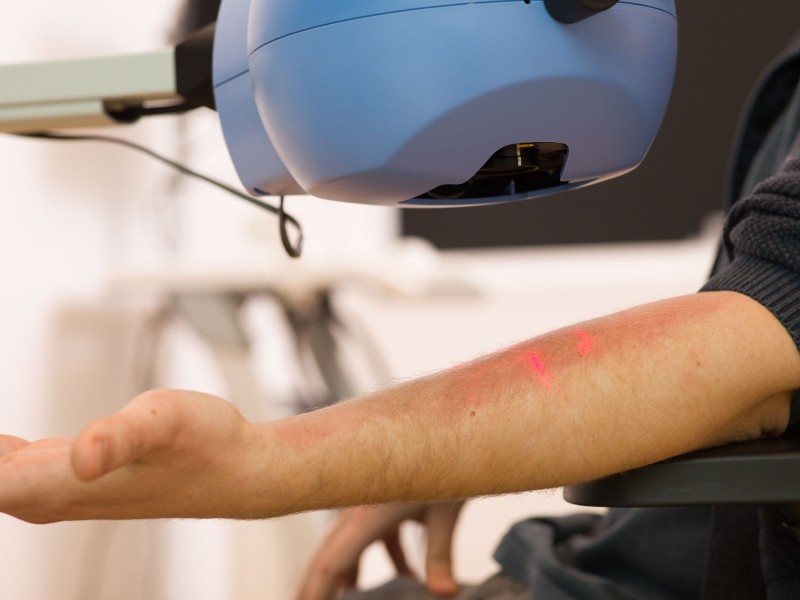
‘We are looking for pain models that evaluate the function of peripheral nerves involved in the perception of pain and the function of the central pain pathways in healthy participants,’ says Dr Marieke Niesters, Research Director Pain. To investigate central pain facilitatory pathways, CHDR’s PainCart® currently employs the capsaicin model. This model reproduces a phenomenon known as central sensitisation, which manifests as secondary allodynia, a condition in which normally non-painful stimuli are perceived as painful. Capsaicin, the active irritant found in chilli peppers, activates transient receptor potential vanilloid 1 (TRPV1) receptors located on nociceptive nerve endings. This activation stimulates neurons in the dorsal horn of the spinal cord corresponding to the treated dermatome, leading to the development of an area of allodynia surrounding the capsaicin-treated skin.
High-frequency stimulation
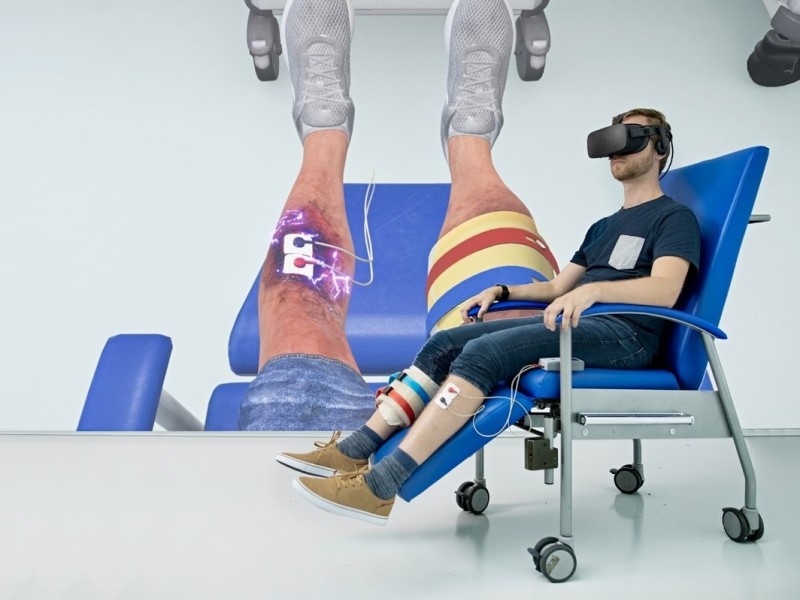
A promising new model currently being validated in a self-funded clinical study at CHDR is based on high-frequency electrical stimulation (HFS). A strong electrical stimulus is applied several times on the skin, inducing allodynia around the treated skin that lasts for several hours. ‘We are developing this HFS model in collaboration with the University of Twente,’ says Dr Niesters. ‘The high-frequency electrical stimuli overstimulate the dorsal horn of the spinal cord. This releases pro-nociceptive neurotransmitters such as glutamate and substance P, which is similar to alterations seen in chronic pain patients.’
In the validation study currently being carried out, healthy participants undergo HFS stimulation. This causes a temporary pain sensation at the stimulated area, after which allodynia occurs around the stimulated region, which lasts for several hours. ‘Initial results are promising: the allodynia appears robust and as stable as capsaicin-induced allodynia. An advantage over the capsaicin challenge is that the HFS-treated area is less painful, and subjects do not experience pain unless the area is touched.’ The study will additionally evaluate the effect of oxycodone or nefopam on the HFS-induced allodynia, to evaluate the value of HFS as a pain model to measure drug effects.
Temporal summation
HFS may also be used to temporarily induce a phenomenon known as temporal summation or windup, which normally only occurs in patients with chronic pain. With temporal summation, repeated administration of a mild pain stimulus, such as touching with the tip of a needle, leads to an increase in the intensity of the pain someone experiences upon the needle stimulation. Dr Niesters: ‘If you repeatedly touch the same spot on a healthy subject with a needle, pain intensity does not increase over time, or increases only slightly. Windup is a well-known phenomenon in patients with chronic pain. We want to know whether HFS also leads to windup and whether it responds to medication.’ Next year, the pain team hopes to draw conclusions about the usefulness of the new pain model and decide if it can be used to study the analgesic effects of potential treatments for chronic pain in healthy study participants.
Interested in learning more?
More articles from Developing methods